

OSINT for Beginners: How to Gather Intelligence from Public Sources
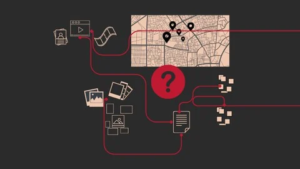 Open-Source Intelligence (OSINT) is a cornerstone of modern security and intelligence work. It involves collecting and analyzing information from publicly available sources to support investigations, threat detection, and decision-making.
What is OSINT, Really?
OSINT isn’t just Googling a name. It’s the process of turning scattered, often messy, raw data from sources like social media, public records, news articles, and websites into structured, actionable intelligence . As one expert notes, true OSINT “seeks to remove the noise… from the signal, or intelligence, in the data” .
Key Sources for OSINT Collection
A good OSINT investigator knows where to look. Common sources include:
-
Public Records & Databases: Corporate filings, domain registries (WHOIS), and government press releases .
-
Social Media Platforms: Monitoring X/Twitter, LinkedIn, Facebook, and Instagram for reconnaissance, phishing attempts, and leaked credentials .
-
Forums & the Dark Web: Observing discussions on hacker forums and dark web marketplaces for stolen data, breach disclosures, and cybercriminal activities .
-
Multimedia Analysis: Examining images and videos for EXIF metadata, geolocation clues, and reverse image search results .
Getting Started: A Simple OSINT Framework
Jumping into OSINT can be overwhelming. Using a structured framework helps. The intelligence lifecycle provides a solid foundation for any investigation :
-
Planning and Direction: Start by defining your target. What specific question are you trying to answer? This helps you stay focused and avoid getting distracted by irrelevant information .
-
Collection: Gather raw data from sources that are relevant to your target. Use advanced search operators (Google Dorks) and specialized tools to find indexed but forgotten content .
-
Processing: Clean and organize the collected data. De-duplicate results and extract relevant metadata .
-
Analysis: Look for patterns, connections, and anomalies. This is where raw data turns into intelligence .
-
Dissemination: Present your findings in a clear, actionable report for decision-makers .
A Word of Caution
While OSINT relies on public data, it’s crucial to operate ethically and legally. Stick to data that is legally accessible, respect the terms of service of platforms, and be mindful of privacy and jurisdictional boundaries .
BUC’s Centre of Intelligence Management and Centre of Investigation Studies offer in-depth training on OSINT and other vital intelligence-gathering techniques.